


Marc Hunziker on the C2X espressivo
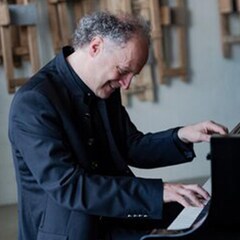
Marc Hunziker is a Swiss pianist and professor at the Lucerne University of Applied Sciences and Arts (HSLU) and Musikhochschule Basel, whose artistic work bridges classical music and jazz. Active as a soloist, ensemble musician, and pianist of the long standing Marc Hunziker Trio, he is known for his refined sense of sound, touch, and musical expression. In addition to his concert and teaching activity, he maintains a deep interest in piano construction and tonal design, making him an exceptionally discerning partner in the artistic evaluation of new instruments.
How would you describe the sound character of the C2X espressivo?
The sound is transparent and singing, with good sustain and a convincing tonal range. I particularly appreciate the balanced registers and the way the sound develops evenly across the instrument. There is a sense of spaciousness and depth that gives the impression of a sound extending beyond the piano’s physical size, resulting in a well-blended and flexible tonal character.
How does the instrument respond in terms of touch, control, and expression?
The action responds reliably and feels well adjusted, offering a high level of control. It supports shaping and forming the sound in a natural way and encourages expressive playing. Especially in pianissimo, the espressivo allows for subtle differentiation. Overall, the regulation provides a secure playing experience that supports musical ideas clearly and directly.
What stands out to you about this grand piano?
After a short time, the size of the instrument becomes less noticeable while playing. The sound has openness, warmth, and a dynamic flexibility that feels generous for a piano of this category. Its tonal projection and sustain allow musical phrases to unfold freely and give the impression of a sound that reaches beyond the instrument itself.
Who is the C2X espressivo designed for, and in which settings does it work particularly well?
The espressivo is a versatile instrument well suited for private homes, teaching environments, music schools, and smaller performance settings. Its sound invites dynamic shaping and musical exploration. While some pianists may prefer a larger grand for certain contexts, the espressivo offers a convincing balance of expressiveness, control, and musical character in a compact format.
